
Five real-world examples from Paris, Delhi, Jakarta, Kraków and Chicago show how solutions that address climate change can also make people healthier, cities safer, and societies more equal.
With growing populations and high emissions, cities have a crucial role to play in tackling climate change by acting as a focal point for innovative action and solutions. The Pathfinder Initiative is exploring the evidence on the health benefits of effective climate mitigation actions taken by cities.
These case studies, produced by researchers at C40 Cities and the London School of Hygiene & Tropical Medicine as part of the Pathfinder Initiative, show how cities around the world are contributing to reducing emissions and better health. From policies that helped make cycling an easy and safe choice to travel in Paris, and improved public transport in Delhi and Jakarta, to reduced use of polluting fuels in Kraków and closure of coal-fired power plants in Chicago, these examples show that progress is happening and there are lessons to be learned from actions that have already been implemented.
Paris
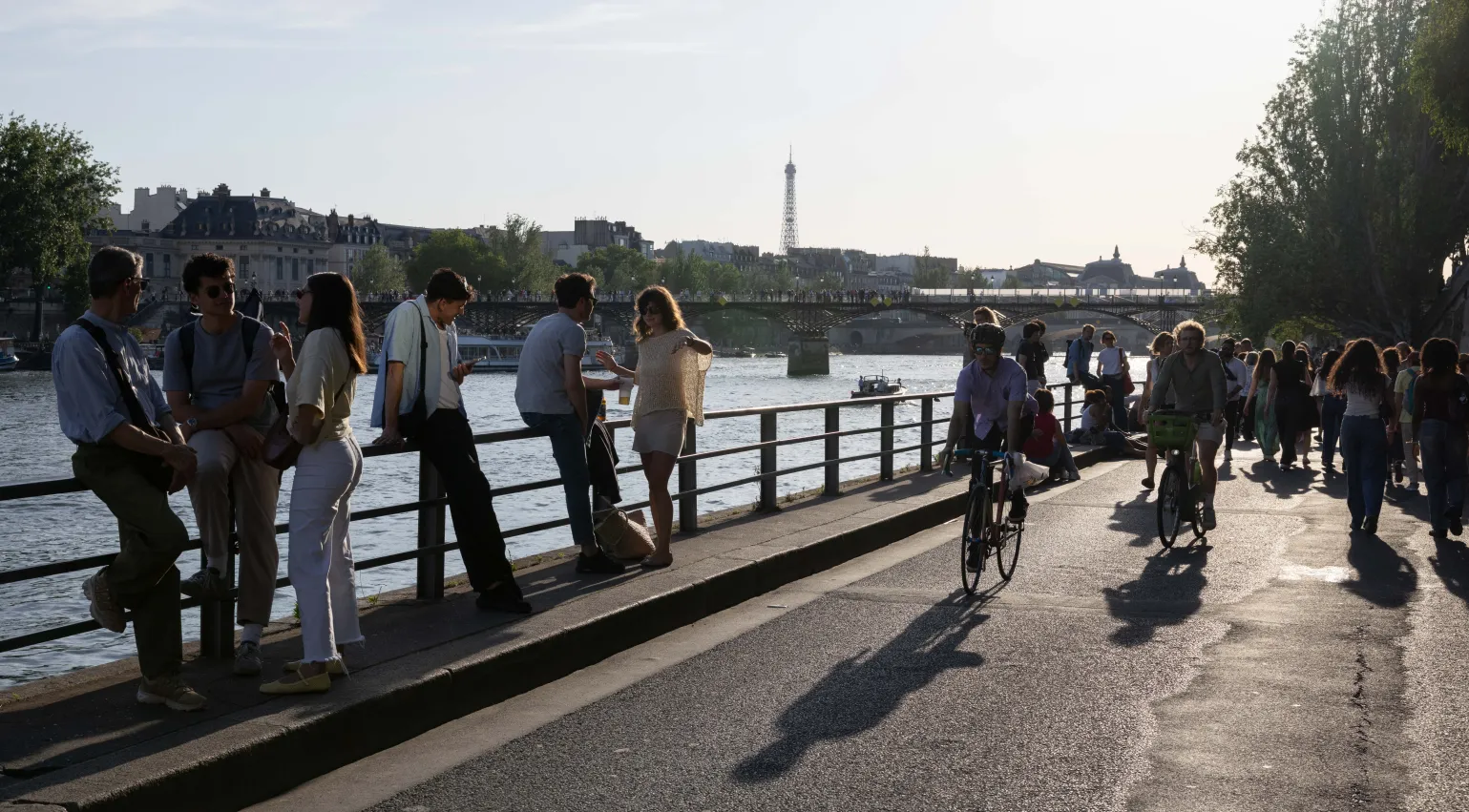
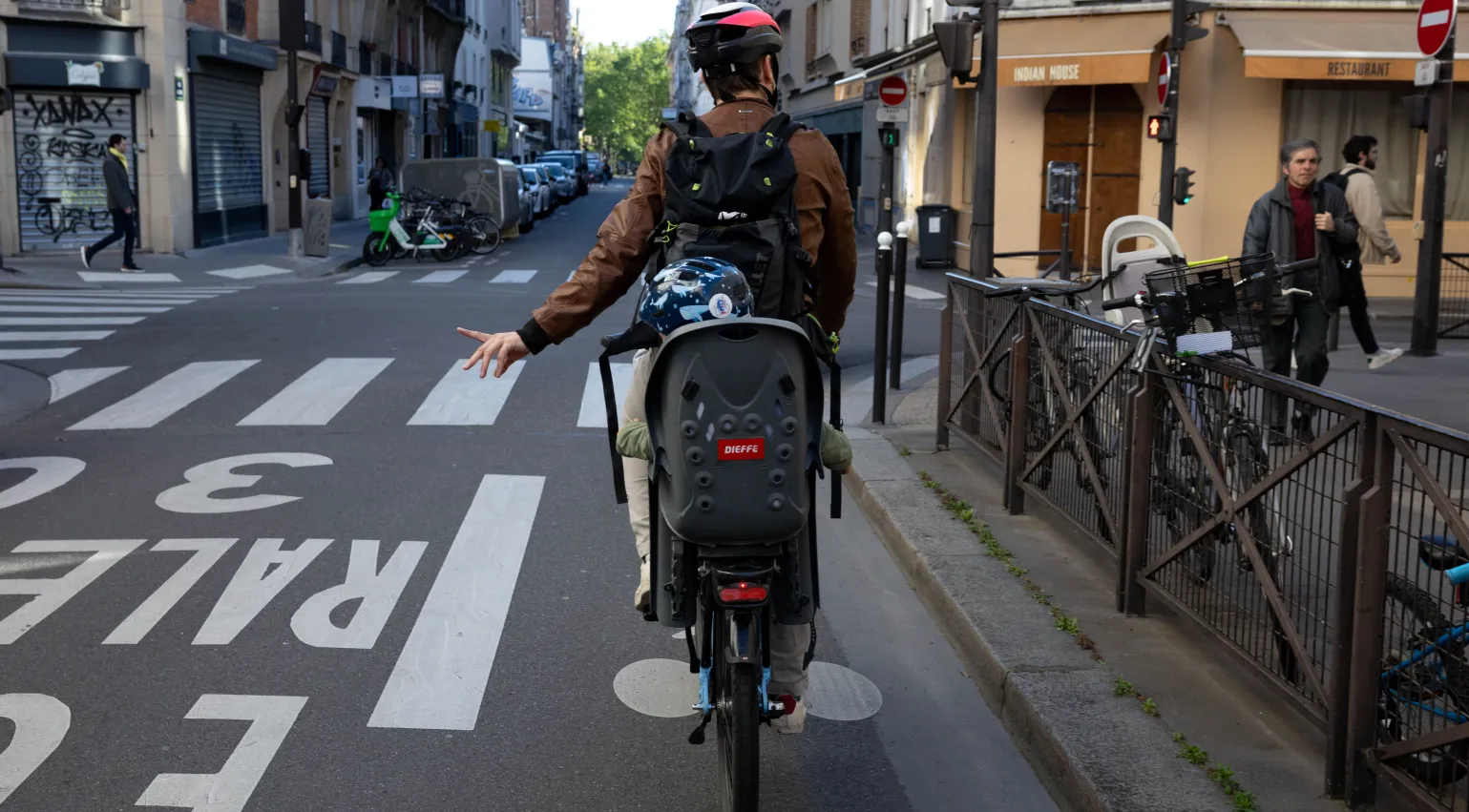
Over the past two decades, Paris has transitioned from a car-centric transport network towards a city that prioritises active travel. Measures to promote cycling and move away from car use included the expansion of protected cycle lanes from 300km to over 1,600km between 2004 and 2025, the Vélib bike share programme and subsidies to make buying a bicycle cheaper. Paris also implemented interventions to discourage motorised transport, such as a stricter and expanded low-emission zone, a city-wide 30km/h speed limit, and car-free spaces across the city from river banks to neighbourhoods and school streets.
What difference did the actions make?
The daily share of trips by bike increased from 4% to 10% between 2001 and 2022, overtaking private vehicle use. The risk of cyclist injuries and deaths per trip almost halved between 2016 and 2024. Previously underrepresented groups also felt safer to cycle, and the proportion of female cyclists rose to almost half (45%) in 2025, up from 35% in 2020. Interventions also led to fewer vehicles on the road and reduced vehicle emissions. Between 2011 and 2024, city-wide concentrations of NO2 and PM2.5 fell by over 45%, and PM10 levels decreased by 35%.
What can other cities learn from Paris?
Paris’s transition was gradual, facing political opposition from some groups in the early stages. However, policy consistency and effective communications, as well as tangible benefits for residents – more cyclists on the streets, feeling safer, and more space for life in the city – built public support for cycling policies over time.
Other cities can learn from Paris’ experience. Political leadership and long-term vision, alongside inter-agency governance and monitoring of impacts supported the success of the French capital’s shift towards active travel. In addition, framing messaging around co-benefits including noise reduction, lower air pollution, safer streets for children, and vibrant public space, in addition to measuring and providing evidence to support this, helped build public support for policies.
Delhi
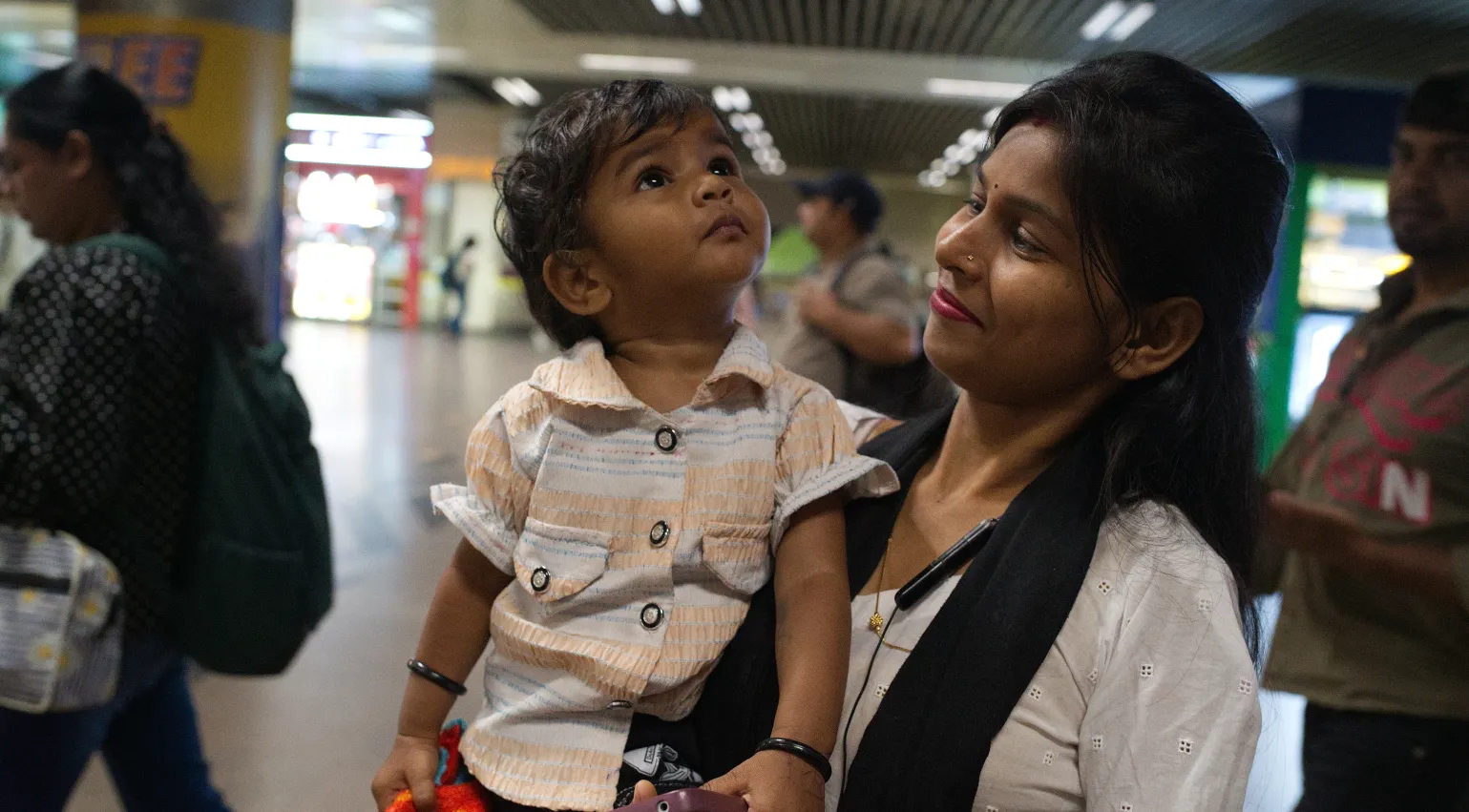
In the context of increasing health and environmental challenges caused by economic and population growth, alongside a rise in private vehicle ownership, industrial emissions, and fossil fuel combustion, Delhi aimed to transform its transport system by building a new rail network. The Delhi Metro is now one of the world’s largest metro systems, and has helped reduce hundreds of thousands of CO2 emissions annually, and contributed to efforts to reduce air pollution. Feeder bus routes were also created to connect people to the rail system and improve the wider public transport system.
What difference did the actions make?
By encouraging a shift away from cars to rail, the Delhi Metro Rail Corporation (DMRC) has replaced around 3.7 billion kilometres of car and other road vehicle journeys and there are almost 600,000 fewer cars on the roads each day, saving 289,000 tonnes of fuel and 882,514 tonnes in pollutants. The shift resulted in reductions of over 500,000 tonnes of CO2 equivalent per year. The expansion of the metro network also resulted in reduced asthma and stroke rates. The metro has made travelling safer for women, and has expanded areas where women can safely seek work or higher education. It has also provided lower- and middle-income residents living in peripheral neighbourhoods easier access to job centres.
What can other cities learn from Delhi?
A number of factors contributed to the metro’s success. Leadership of the intervention was shared between the Government of India and the Government of the National Capital Territory (NCT) of Delhi, balancing national and local authority and accountability. Financing from different sources allowed stable, long-term investment. While the intervention is a positive step alongside measures such as running additional train trips during peak winter pollution episodes, air pollution levels continue to be high and motor vehicle use is increasing in Delhi. These challenges show that further cross-sectoral climate and health solutions are needed to address problems in the city.
Jakarta
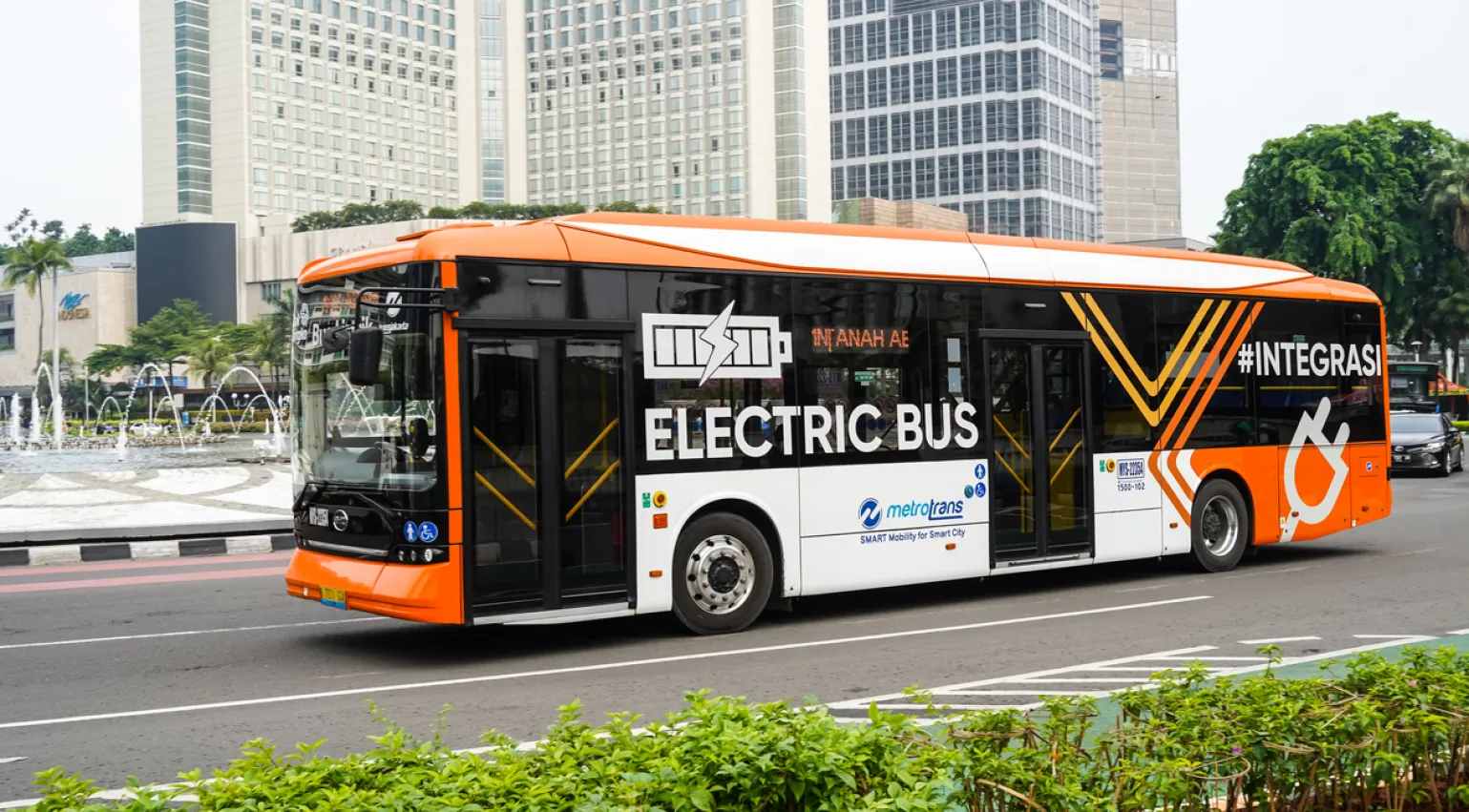
Jakarta has also faced challenges of congestion, air pollution, and public health impacts. In response, the capital city of Indonesia developed an integrated transport transformation strategy, including investment in bus, rail and active transport infrastructure; a low emission zone; and an odd-even traffic policy, where cars can only enter the city on odd or even days depending on their vehicle registration plate.
What difference did the actions make?
Between 2015 and 2019, public transport area coverage expanded by 400%. Jakarta now has the world’s largest Bus Rapid Transit (BRT) network, known as TransJakarta, which covers around 80% of the city and serves up to a million passengers daily, in addition to its informal microbuses which are connected to the BRT system. Jakarta’s Mass Rapid Transit (MRT) rail system now carries over 127,000 passengers daily. The city has developed inter-modal infrastructure, with fare systems that encourage using different types of public transport.
The public transport system has reduced traffic and air pollution, with the first phase of the MRT reducing air pollution by 27.5% in the surrounding area. Jakarta is integrating transport into its climate strategy and aims to have a fully electric bus fleet by 2030, and many other Indonesian cities are following Jakarta’s lead.
What can other cities learn from Jakarta?
Involvement of various key actors including regional and local authorities and transport providers, ensured political and institutional backing, while promoting the interventions as economic, social, public health and climate solutions built public support. As in Delhi, air pollution, congestion and public health challenges remain, indicating the need for continued investment in cross-sectoral strategies to reduce emissions and improve health.
Kraków
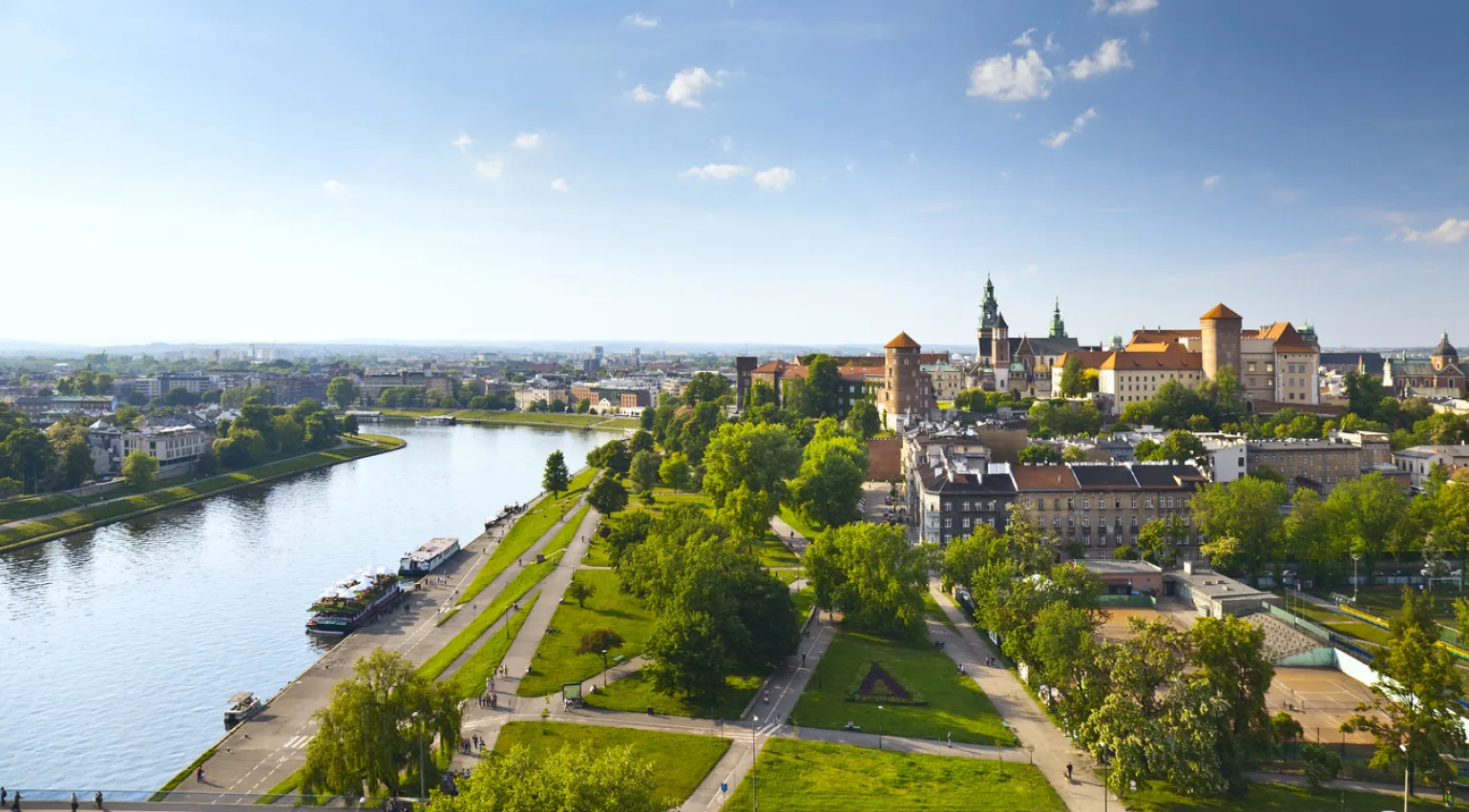
Kraków in Poland was once one of Europe’s most polluted cities. Air pollution caused by the burning of coal and wood in stoves and boilers has been linked to increased rates of asthma, lung cancer, heart rhythm disturbances, and adverse birth outcomes, as well as contributing to CO2 emissions. The city is surrounded by a river valley, intensifying impacts by trapping air pollutants close to the ground.
Kraków Smog Alert, a grassroots movement, played a pivotal role in motivating action on air pollution in Kraków, building public support through awareness campaigns and using scientific evidence to call for policy changes. In 2016, Kraków became the first Polish city to phase out solid fuels in residential boilers and fireplaces (a policy that came into full effect in 2019). By the end of 2020, over 45,000 furnaces were decommissioned and replaced.
What difference did the actions make?
As a result of the policy, the city saw a 40% reduction in Benzo(a)pyrene (a carcinogenic pollutant emitted from the incomplete combustion of organic matter) and 20-40% drops in PM10 and PM2.5 concentrations. The reduction was seen and felt by people living in the city, as smog days reduced from 116 in 2012 to 16 in 2023. According to one study, reduced air pollution from the measures could lead to over 500 fewer cases of asthma in the 1-14 age group and fewer adverse birth outcomes. Analysis of the air quality plan for the wider region shows that measures prevented 6,000 premature deaths over 10 years, and prevented hospitalisations due to cardiovascular disease and respiratory illness. These reductions equate to around 350 million euros per year. Although Kraków has successfully reduced pollution within the city, some pollution still travels from nearby towns.
What can other cities learn from Kraków?
In addition to local advocacy driving policy change using health evidence, the way the intervention was implemented ensured public support. Local authorities and energy suppliers provided advisory and financial support to people living in Kraków who switched from old coal-powered furnaces to new, less polluting domestic heating sources, which had a positive effect on equity and meant over 80% of the public were in favour of the ban.
Chicago
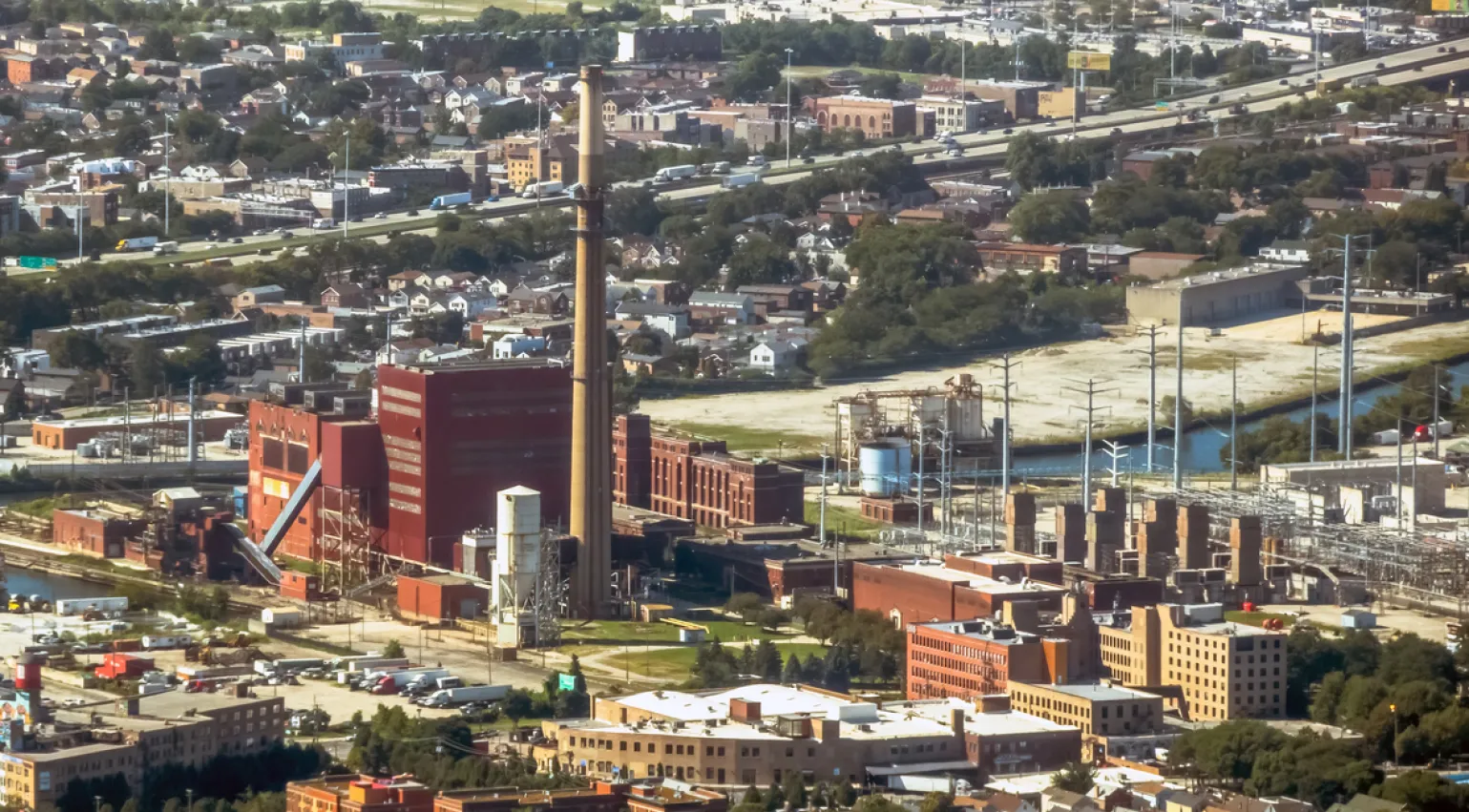
The Fisk and Crawford power plants in Chicago were two of the most polluting urban power plants in the United States. Little Village and Pilsen, where the plants are located, are densely populated neighbourhoods with around 140,000 residents, mostly low-income Latino families and children. These communities have been affected by large amounts of industrial development and transport activity, as well as the health and environmental impacts of the power plants. In 2010 alone, the plants emitted 4 million tonnes of CO₂ and, according to one study, contributed to over 40 deaths, more than 500 emergency room visits and 2,800 asthma attacks per year. Further evidence suggests that the plants caused between $750 million and $1 billion in health damages to nearby residents between 2002 and 2010.
What difference did the actions make?
The closure of the plants resulted in lower school absence rates, fewer emergency department visits for asthma among children under five in surrounding areas, a 20% reduction in PM2.5 levels and around 4 million tonnes of CO₂e avoided.
What can other cities learn?
A coalition formed in the early 2000s successfully persuaded local authorities to consider new legislation by presenting evidence on the health impacts and economic costs of inaction. Although progress was initially slow, growing momentum from the Clean Power Coalition, a local advocacy movement, alongside a mayoral campaign to address pollution from the plants, led to their closure in 2012. The use of local health, environmental and economic data, combined with strong community advocacy, political support and enforcement of environmental standards, strengthened the case for closure.
What lesson can we learn from the five case studies?
These case studies from diverse settings show that health can be a powerful motivator for urban climate action and highlight several parallels. Strong leadership and strategies to build public support are essential to successful implementation; robust monitoring and evaluation systems are needed to measure impact and ensure accountability; and single interventions alone are insufficient to tackle urban climate and health challenges and maximise benefits.
Read the full report on the C40 Knowledge Hub
Watch the video series about the case studies
Watch a video about how to create a case study
Read more about visualising a healthier more sustainable future in cities on the Climate Visuals website