
Pathfinder Initiative experts and local partners explore how systems thinking can reshape urban development to deliver a healthy, sustainable future for Monterrey.
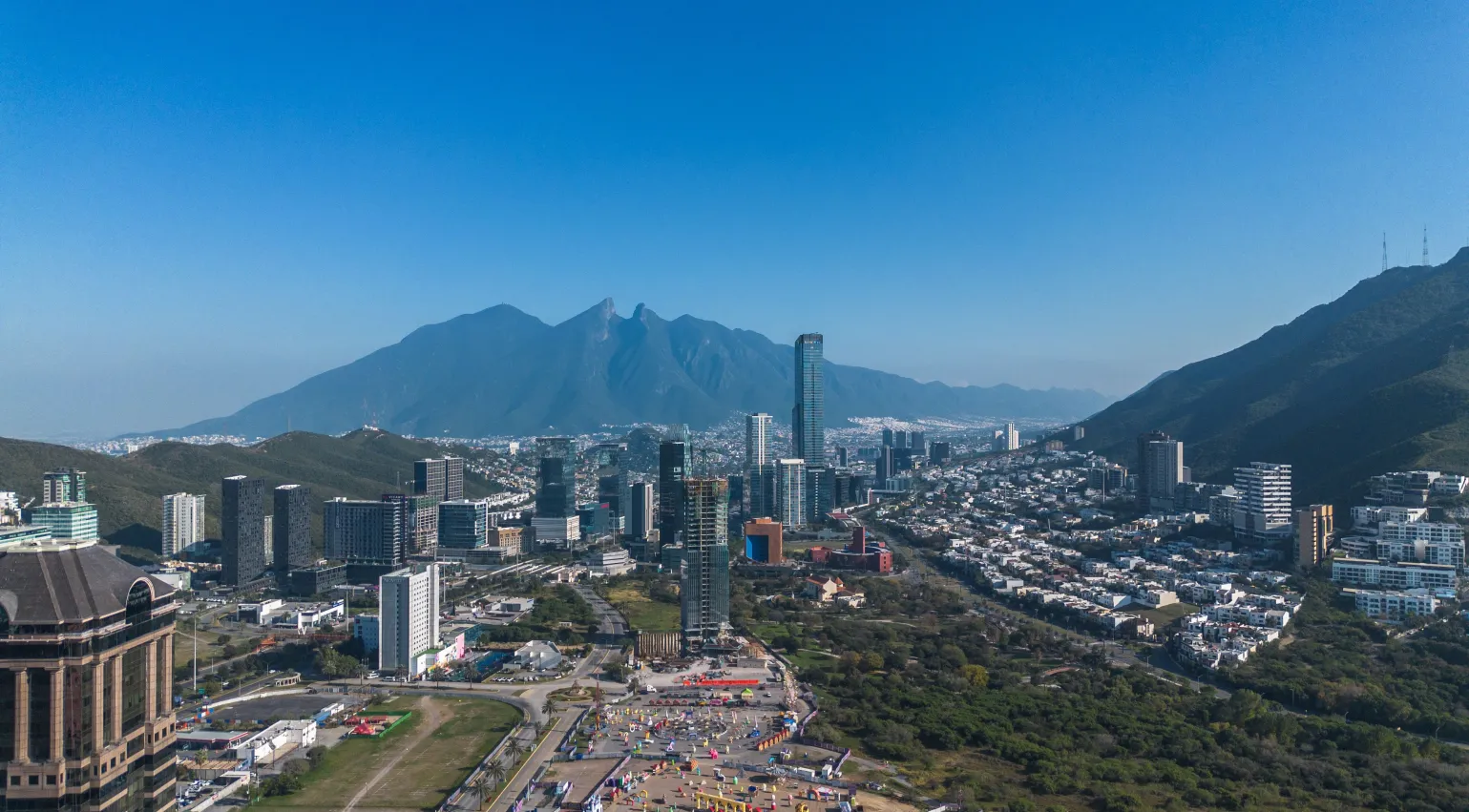
Monterrey is at an inflection point in its development trajectory, with growing momentum to pursue a different model that prioritises health and sustainability, alongside economic prosperity. While Monterrey has built one of Latin America's most dynamic industrial economies, the city’s development model has contributed to rising greenhouse gas emissions, air pollution and growing public health challenges. A new report, led by experts at the Organisation for Economic Co-operation and Development (OECD), Hot or Cool Institute and London School of Hygiene & Tropical Medicine as part of the Pathfinder Initiative, argues that these outcomes are not inevitable and outlines pathways towards a healthier, more sustainable and liveable future in Monterrey.
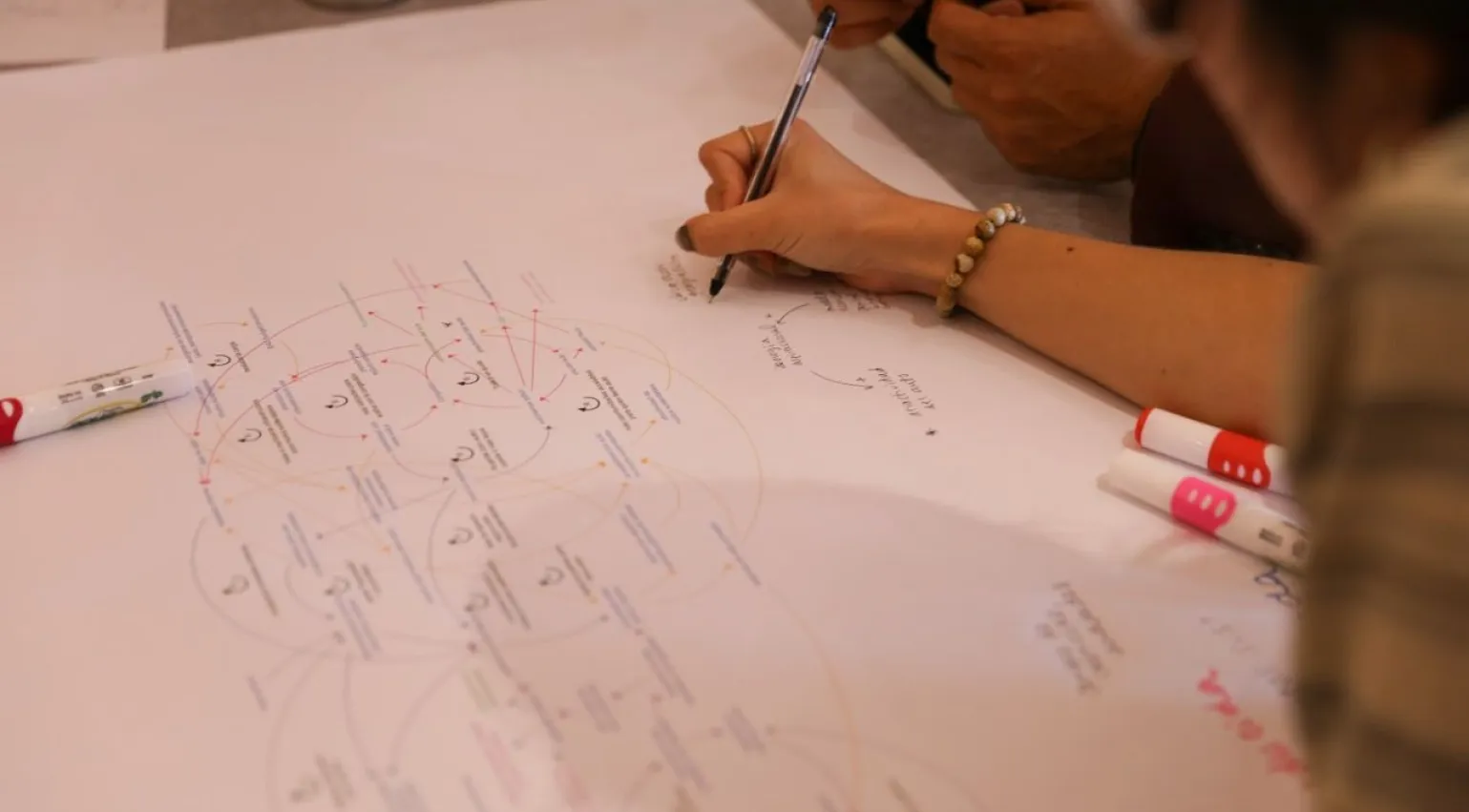
The report examines how housing, transport and land-use decisions have shaped Monterrey's development over recent decades. Using causal loop diagrams, which map how different factors in the urban system influence and reinforce each other, the authors identify the interconnected dynamics driving outward urban expansion, car dependency and declining public transport use, and show how these have contributed to rising congestion, pollution, and climate and health impacts.
The report highlights that urban growth has been coupled with a growing dependence on cars, with the number of private cars increasing five-fold between 1990 and 2020. The share of car trips rose from 36.7% in 2005 to 46.8% in 2020, while public transport’s share decreased from 42% to just 20% in the same years. Road expansion has not addressed congestion in the long term and has instead led to higher car use over time.
The impacts are being felt across the city. According to recent data, Monterrey's residents lost around 89 hours to traffic congestion in 2025, while public transport users spend almost three hours a day commuting. Air pollution is a major health burden, with one study showing that meeting PM2.5 standards alone in the city could prevent around 1,700 premature deaths every year. Rising temperatures and heat stress are adding further pressure to city residents and the wider urban system.
The report brings together the findings from implementing the OECD's systems innovation approach, which combines visioning, causal loop diagrams and Meadows' leverage point framework, to engage policy makers and stakeholders in a collaborative process to reframe the problem and rethink priorities.
Vicente Ruiz, Economist at the OECD Development Centre and part of the Pathfinder Initiative team, said: ‘Monterrey’s challenges are the result of policy, planning and investment decisions made over time. Systems thinking allows us to understand the root causes of carbon lock-in and poor health outcomes and, in turn, identify opportunities for change.’
As part of research activities to inform the analysis, Pathfinder Initiative experts carried out a mix of analytical and participatory activities with local government officials, researchers, civil society organisations and the private sector, which culminated in a multi-day workshop held in Monterrey.
Workshop participants were asked to imagine what Monterrey could look like in 2050 if climate action, health and wellbeing became central to decision-making. Participants envisioned streets designed primarily for people rather than vehicles, prioritising walking, cycling and high-quality public transport. Shaded sidewalks, green public spaces and native vegetation would replace many of the features currently associated with car-dependent urban development. Activities used these visions as a starting point guiding participants to uncover vicious system dynamics, identify strategic entry points, and co-develop actionable ideas for policy interventions.
Five opportunities for transformative change
To help turn this vision into reality, the report identifies five high-leverage points or areas for transformational change, where action could have the greatest impact.
The first is a shift from a city of roads to a city of places, redesigning streets and reallocating space and funding to support walking, cycling, public transport, nature and community life rather than continually expanding road capacity.
The second calls for moving from megaprojects to long-term investment, creating new financial mechanisms for sustainable transport while introducing tools and regulations that disincentivise car use.
The third focuses on a shift from building more houses and expanding the city outwards, to redeveloping the city using vacant or underutilised space. As part of this, working to reshape the regulatory landscape to foster and enable the shift towards radically different business models is a priority. The emphasis would be on housing that prioritises quality and proximity to services, and substituting prevailing housing models of similar (and even identical) and far away housing with models that embrace diversity among populations (e.g. students, mono-parental families, the elderly, etc.) and turn this diversity into an opportunity for making good and more central housing financially viable.
The fourth is a move from carbon dreams to sustainable aspirations, recognising the importance of public perceptions. The report argues that changing how residents think about prosperity and what streets are for, will be essential to unlocking deeper transitions in consumption patterns, mobility and urban development. This shift will be needed to ensure that interventions are successful and that people in Monterrey support the transformation of their city from one of cars and concrete to one that works for people and nature.
The fifth recommends moving from addressing symptoms to building urban health. This would include creating governance systems that connect decision-makers across government and other key actors to address environmental and health challenges, and use evidence to guide housing, transport and development policy, investment and regulations. The authors suggest the creation of a metropolitan observatory for health and the environment, that connects existing information on health and environmental factors, and supports the evaluation of how urban development, mobility and land-use plans affect air quality, water, climate and public health.
Aimée Aguilar Jaber, Founder of Plan O, expert in mobility, urban and environmental policy and part of the Pathfinder Initiative team, said: ‘At the core of Monterrey´s transformation towards a healthy and sustainable city lays the need to create a formal instrument for metropolitan governance. As Monterrey advances in developing new institutional structures for this, these five areas of transformation provide a compass for guiding coordinated action beyond addressing symptoms, ensuring opportunities for deep and real transformation are not missed”.
The authors note that the changes envisioned in the Pathfinder Initiative workshop and report are complementary to the work of existing initiatives such as the Future Scenarios project led by the Centro para el Futuro de las Ciudades, supported by the Consejo Nuevo León para la Planeación Estratégica. Concerted efforts, capacity building across government, and a framework to track progress are needed to secure a healthier, low-carbon, more resilient and inclusive urban future.
Publication
Climate Change and Health: Policies for Systemic Change in Monterrey
A Spanish version of the report will be available soon.