
The Pathfinder Initiative and partners hosted an event during London Climate Action Week to accelerate action in two key areas: creating healthy, sustainable cities, and tackling short-lived climate pollutants.
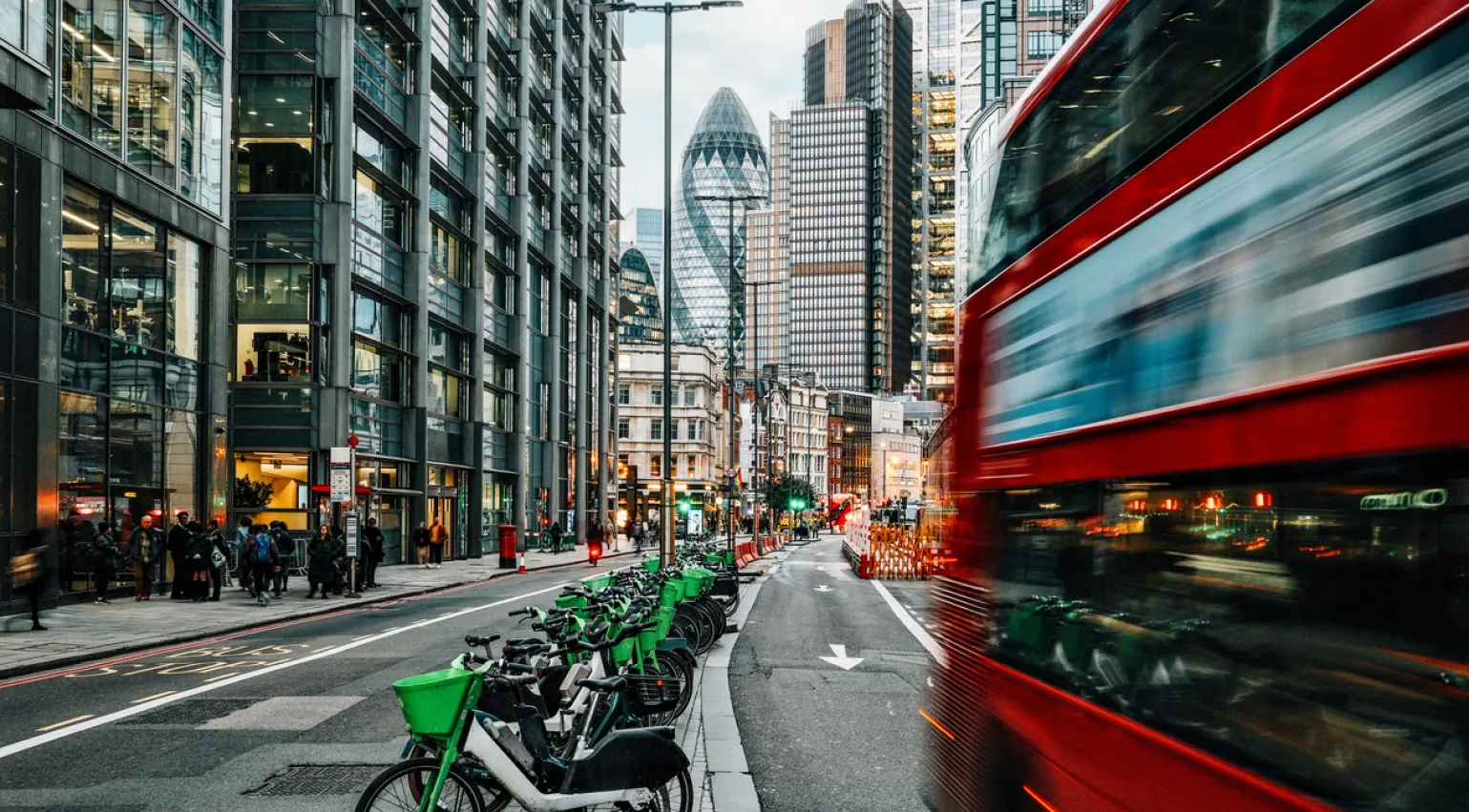
As part of London Climate Action Week (LCAW) 2025, the 7th and largest LCAW to date, the Pathfinder Initiative and partners hosted a two-part conference at the London School of Hygiene & Tropical Medicine (LSHTM) on Friday 27 June, with the title ‘From global evidence to local action on climate and health’. The event focused on two key topics: healthy, sustainable cities and tackling super pollutants.
Professor Liam Smeeth, Director of LSHTM, opened the event highlighting the need, now more than ever, for evidence to drive policy and action on climate and health.
Health as the driver for sustainable cities
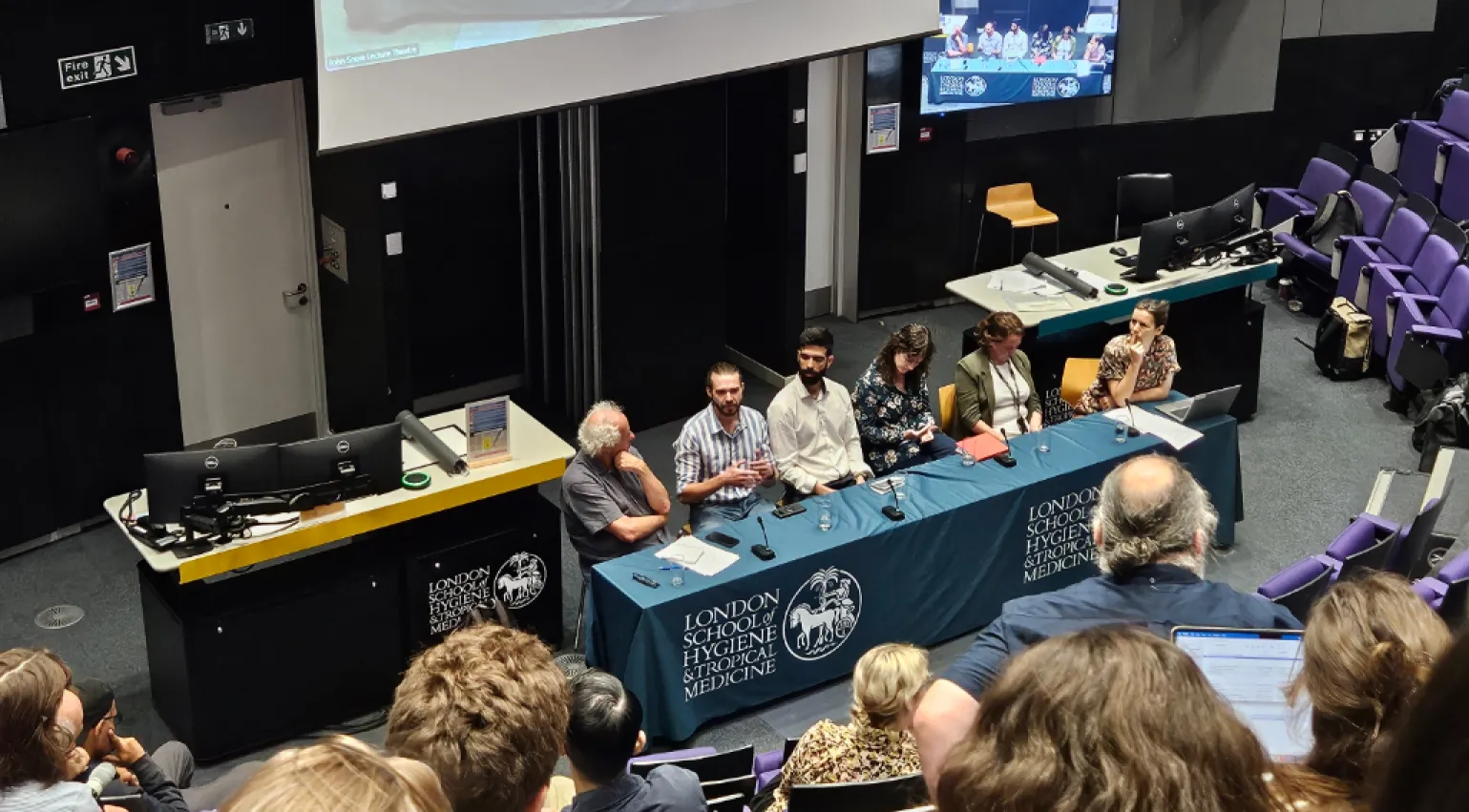
The first session, hosted by LSHTM, UK Health Alliance on Climate Change (UKHACC), C40 Cities and University College London (UCL, PAICE project), and chaired by Dr Rachel Huxley, Head of Mitigation for Climate and Health at the Wellcome Trust, focused on ‘health as the driver for sustainable cities’.
Dr Richard Smith, Chair of the UKHACC, kicked off the panel discussion with a broad view of the health impacts of climate change in the UK, including the health effects of air pollution caused by the burning of fossil fuels, heatwaves, floods, drought, and increased risk of infectious diseases, as well as impacts on mental health. Dr Smith emphasised the need for the UK to do more on adaptation to build resilience against these climate risks.
Dr Sarah Whitmee, Assistant Professor at LSHTM and part of the Pathfinder Initiative, spoke about how climate action can improve our health through pathways such as cleaner air from fossil fuel phase out; healthier more sustainable diets; and more physical activity through promoting active travel and public transport; and through integrating nature into cities. Dr Whitmee highlighted the opportunity for cities to lead the way on climate and health action, and the work of the Pathfinder Initiative partners on supporting cities globally to implement and evaluate solutions that benefit both health and the environment.
Dr Giorgos Petrou, Senior Research Fellow at the UCL Institute for Environmental Design and Engineering, noted the role of the buildings sector, and the potential for low carbon heating and energy efficient buildings to both reduce emissions and bring health benefits. Dr Petrou spoke about the PAICE project, led by UCL and LSHTM, in collaboration with the Climate Change Committee and Greater London Authority, including efforts to support the translation of policies and monitoring methods at the national scale to the local level.
Tom Garood, UK Cities Manager at CDP, gave examples of local authorities in the UK such as Manchester City Council and Cornwall County Council that are working to embed climate, health and wider social and environmental factors in decision-making processes at the local level.
Honorine van den Broek d'Obrenan, Research Senior Manager at C40 Cities, provided further examples from around the world of implemented actions across sectors such as green corridors in Medellín; walk and bike to school and clean transport initiatives in Bogotá; transformation of the waste sector in Accra; the integration of health into Quezon City’s building code; and the phase out of fuel oil in New York.
Speakers also discussed how to integrate health into urban climate policies; the role of art and creativity in driving change; the importance of evaluating the impact of interventions and reporting climate and health data; and the need for a systems view that considers both climate adaptation and mitigation actions to maximise health and equity benefits.
Rachel Huxley closed the session summarising key insights from the panel, from the reasons why we need to act now to how we can and are doing so, leaving the audience with a message of hope and ambition for change towards a healthier, more sustainable future.
The imperative for action on super pollutants
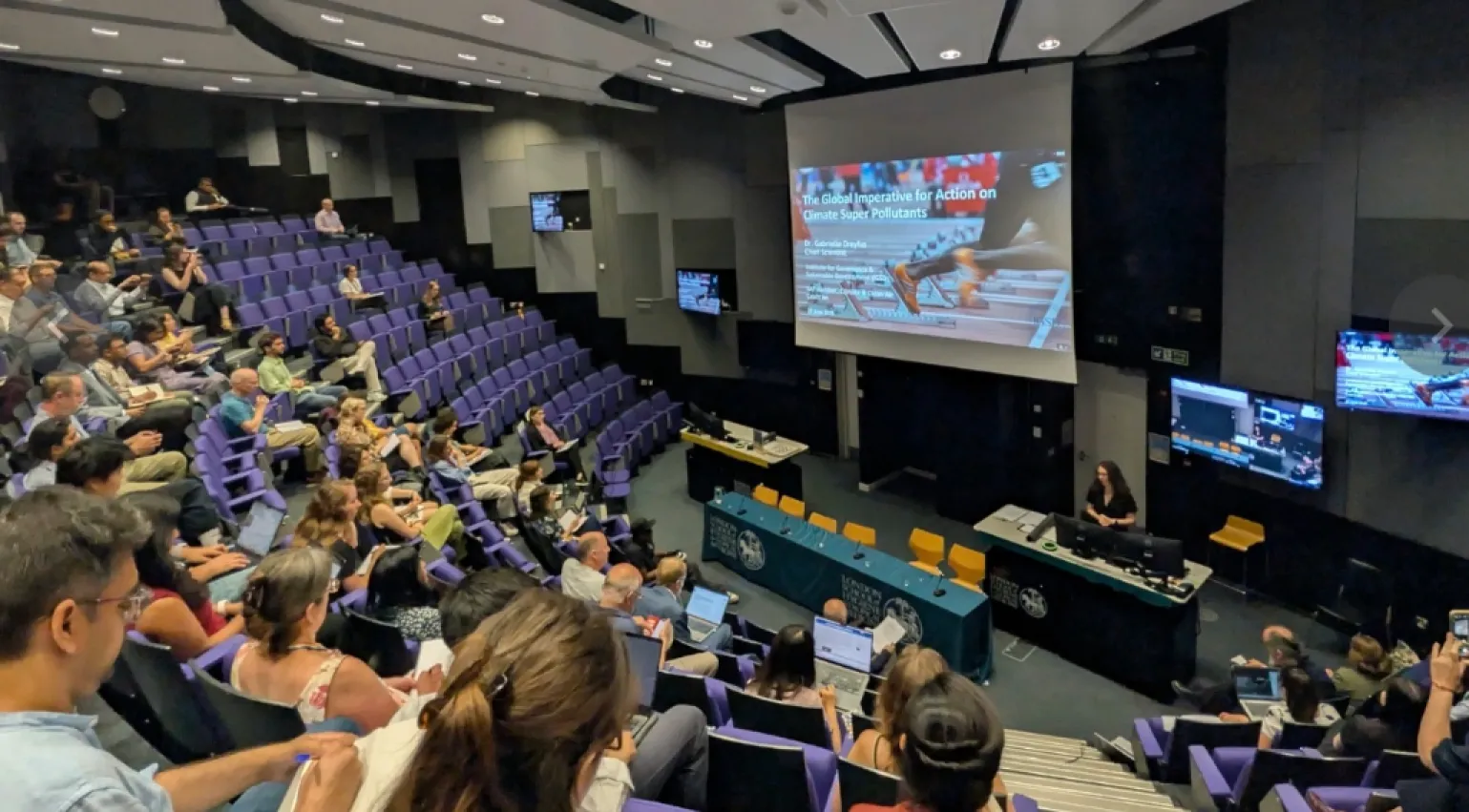
The second session, hosted by the Climate and Clean Air Coalition (CCAC) and LSHTM, explored the latest science, tools, and strategies for tackling super pollutants, and delivering immediate benefits for climate, clean air, and public health.
Scientific analysis conducted by CCAC shows that super pollutants - like methane, black carbon, hydrofluorocarbons (HFCs), tropospheric ozone, and nitrous oxide - contribute half of today’s climate change, but actions to reduce these pollutants are underrepresented in national climate plans. This session discussed why action on super pollutants is critical and how we can get it done.
Professor Johan Kuylenstierna of the Stockholm Environment Institute and CCAC Science Advisory Panel (SAP) member, opened the session, giving an overview of super pollutants and their impacts, as well as the opportunity to reap near-term gains for both the climate and human health by tackling these powerful warming agents.
Dr Gabrielle Dreyfus from the Institute for Governance & Sustainable Development (IGSD) and member of the CCAC SAP, delivered the keynote presentation, highlighting the need to run three races simultaneously – a sprint to slow warming this decade by cutting super pollutants; a marathon to phase out fossil fuels and decarbonise by 2050; and an ultramarathon to develop ways to restore the atmosphere, ocean, ecosystems and cryosphere.
Professor Andy Haines, Co-Chair of the Pathfinder Initiative and Professor of Environmental Change and Public Health at LSHTM, presented the health argument for action, noting that air pollution, driven in part by super pollutants, now contributes to over 8 million premature deaths annually (with around 5 million of these from fossil fuel related air pollution). Professor Haines emphasised the potential wide-ranging benefits of super pollutant reduction strategies including for health, agriculture, poverty, employment and the climate.
A panel discussion chaired by Professor Kuylenstierna followed the keynotes, featuring insights from CCAC SAP members Dr Yulia Yamineva from the University of Eastern Finland and Dr Kenza Khomsi from UNIDO Morocco. Speakers discussed the legal and policy frameworks needed to strengthen global action on super pollutants, as well as the importance of tailoring solutions to local contexts and addressing funding gaps.
Professor Kuylenstierna concluded the session calling for scientists, governments, funders and the private sector to work together to accelerate implementation of priority actions and advance the super pollutant agenda.